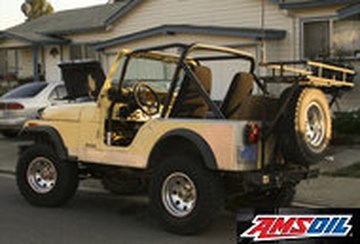
Engine Lubrication and Maintenance for the 1980 Jeep CJ-5 5.0L
Maintaining a vehicle like the 1980 Jeep CJ-5 requires a proactive approach to mechanical care. With a 5.0L engine, consistent attention to lubrication and fluid integrity is essential for long-term operation. Because these vehicles are often subject to varying driving environments, understanding how to monitor and manage engine oil is a fundamental part of responsible ownership.
Monitoring Fluid Integrity and Potential Leaks
One of the most effective ways to monitor the health of the 5.0L engine is through regular visual inspections. Over time, various components can experience changes in their ability to retain fluids. When performing routine checks, it is helpful to look for signs of seepage or active leaks around the engine block and associated sealing surfaces.
If you notice fluid accumulating on the underside of the vehicle or spotting on the ground where the Jeep has been parked, this warrants further investigation. Such observations can be associated with several different factors, ranging from a loose drain plug to aging gaskets and seals. Rather than attempting to identify a specific failed component immediately, focus on identifying the location and nature of the fluid. If the fluid appears dark or gritty, it may indicate that the oil is heavily contaminated or has exceeded its service life. Conversely, if you notice an unusual smell during operation, it could suggest that lubricant is contacting a hot engine surface.
Regularly checking the oil level using the dipstick provides more than just a measurement of quantity; it offers a glimpse into the condition of the lubricant itself. If the oil appears excessively thin or has a significant odor, these are indicators that the fluid may no longer be providing the necessary protection for engine components.
Managing Maintenance Records and Baselines
For owners of a 1980 Jeep CJ-5, establishing a clear maintenance baseline is highly beneficial, especially if the vehicle's full service history is not known. A maintenance baseline is essentially a documented starting point that tracks the current condition of all vital fluids, filters, and mechanical components.
If you have recently acquired this vehicle, your first priority should be to document what has been done and what remains to be addressed. This involves:
- Reviewing any available service receipts or logs to understand previous repair patterns.
- Performing a comprehensive inspection of all accessible fluids to determine their current state.
- Recording the date and mileage of your first round of documented maintenance.
Keeping detailed records allows you to distinguish between routine preventive maintenance and necessary repairs. It also helps in identifying changes in how the engine behaves over time. For example, if you notice that the frequency of oil top-offs is increasing, having a record of previous levels can help you determine when this change actually began. This data-driven approach moves maintenance away from guesswork and toward informed decision-making based on the actual condition of the 5.0L engine.
Observing Changes in Engine Behavior
Beyond visual inspections, an owner should remain attentive to how the vehicle operates during daily use. Mechanical systems often provide subtle clues before a significant issue arises. While symptoms can have many different causes, certain observations should always prompt a closer look at the engine's lubrication system.
Changes in engine noise can sometimes be linked to the quality or level of the lubricant. If you notice new or unusual sounds during startup or while idling, it is prudent to check the oil level and condition immediately. Additionally, monitoring the dashboard for any warning indicators is critical. While many older vehicles may have simpler instrumentation, any unexpected light or gauge fluctuation should be investigated promptly.
It is also useful to monitor how the engine responds to different operating temperatures. If you notice changes in performance or unusual exhaust characteristics, these can be associated with various mechanical states. Always remember that a single symptom does not provide a definitive diagnosis; rather, it serves as a signal to perform a more thorough inspection of the engine and its supporting systems.
Prioritizing Service Tasks Based on Condition
As a vehicle ages, the strategy for maintenance should shift from strictly following a calendar to focusing on the actual condition of the components. For a 1980 Jeep CJ-5, this means prioritizing tasks that address active concerns rather than replacing parts simply because they are old.
When deciding where to focus your efforts, consider the following hierarchy:
- Address Active Issues: If there is evidence of an active leak or a significant change in fluid color/consistency, these should be addressed before performing other preventive tasks.
- Monitor Aging Materials: Inspect accessible hoses and belts for signs of deterioration such as cracking, glazing, or fraying. While these may not require immediate replacement, they should be noted in your maintenance log.
- Evaluate Fluid Consumption: If the engine requires more frequent lubrication than previously recorded, investigate the cause rather than simply increasing the frequency of oil changes without reason.
This condition-based approach ensures that resources are directed toward the most impactful maintenance activities. It prevents unnecessary spending on components that are still functioning correctly while ensuring that potential issues are caught before they escalate.
Selecting Lubricants for Long-Term Engine Care
The type of oil used in the 5.0L engine plays a significant role in managing internal friction and heat. When selecting a lubricant, it is important to understand the different formulations available on the market. Conventional oils are widely used, but synthetic and synthetic-blend options offer different chemical properties.
Some high-mileage oil formulations contain additives intended for use in aging engines. These formulations may include seal-conditioning additives designed to help maintain the integrity of various gaskets and seals. While these can be a useful tool for managing older engines, they are not a substitute for addressing mechanical failures or significant leaks. Furthermore, modern oils are engineered for high thermal stability and oxidation resistance, which helps prevent the formation of sludge and deposits that can accumulate over time.
When choosing between different oil types, consider the overall goal of your maintenance strategy. If you are looking to maximize protection during cold starts or maintain cleaner internal components, certain synthetic options may be worth investigating. However, the most important factor is always ensuring the lubricant matches the specific requirements for your engine's application.
Practical Advice for Buying Engine Oil for a 1980 Jeep CJ-5 5.0L
When you are ready to purchase new lubricant, do not rely on general automotive knowledge or assumptions based on the age of the vehicle. The most reliable way to ensure you are using the correct product is to match the engine oil to the application-specific viscosity information already displayed on this webpage.
Before completing your purchase, follow these practical steps:
- Verify Viscosity: Check the product label against the specific viscosity requirements listed in the application information above.
- Check API Certification: Ensure the oil carries the appropriate current API certification to guarantee it meets modern standards for quality and performance.
- Review Formulation Benefits: If your engine shows signs of high mileage, you may want to consider if a high-mileage formulation is appropriate for your specific needs, but always verify this against the application data provided here.
- Inspect Packaging: Always double-check that the container in your hand matches the specifications required for the 1980 Jeep CJ-5 5.0L to avoid any errors during the filling process.